Jakarta's Type 2 Diabetes Clinics Run Out of Metformin While Sugar-Sweetened Tea Stands Line the Streets
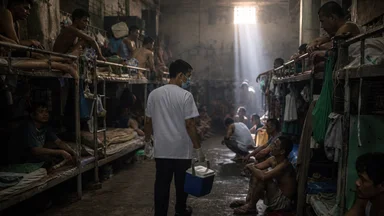
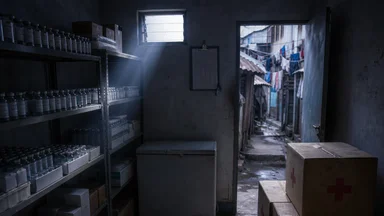
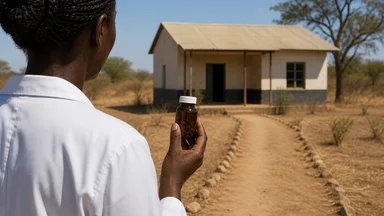
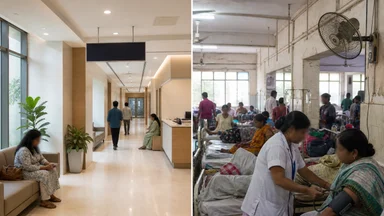
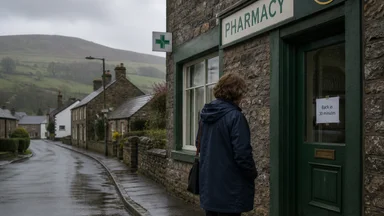
At 7 a.m., the queue at the Kebon Kacang puskesmas in Central Jakarta already snakes past the pharmacy window. Most of the people waiting are middle-aged, clutching crumpled referral letters or faded prescription slips. They are here for one thing: metformin, the first-line drug for type 2 diabetes. But for the past three weeks, the shelf behind the counter has been nearly empty. A nurse hands out blister packs one at a time, rationing what remains. Some patients are told to come back next week. Others are given a different drug, one their bodies are not used to.
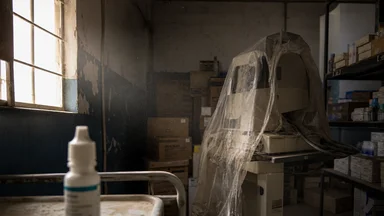
This scene repeats across Jakarta's sprawling urban districts. Stockouts of metformin at public health centers, known as puskesmas, have become a recurring problem, lasting weeks rather than days. In a city where the prevalence of type 2 diabetes has been climbing steadily, the absence of a drug that costs pennies per tablet is both a logistical failure and a moral one. Patients who cannot afford private clinics are left to navigate a patchwork of rationing, informal purchases, and, in some cases, abandonment of treatment altogether.
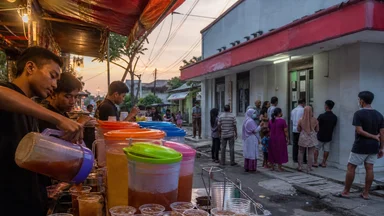
The irony is hard to miss. Just outside the puskesmas gate, a row of sweet tea stalls does brisk business. For the equivalent of a few thousand rupiah, a vendor pours a glass of sugary tea, often condensed milk added, over ice. It is refreshing in the tropical heat. And it is precisely the kind of sugar-sweetened beverage that epidemiologists link to rising diabetes rates. The same city that cannot keep its essential medicine in stock is saturated with the very product that drives demand for it.
This story is not unique to Jakarta, but the scale here is instructive. Indonesia has one of the highest numbers of people living with diabetes in the world, and the capital is its epicenter. The confluence of a fragile pharmaceutical supply chain, an aggressive food environment, and a health system stretched thin creates a situation where the most vulnerable are left without essential care. Understanding what happens when metformin disappears from the shelves is not just about one drug. It is about how urban metabolism, in every sense, is making people sick.
The Empty Shelf at the Puskesmas
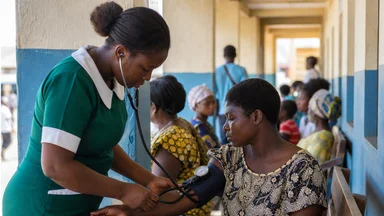
The puskesmas is supposed to be the backbone of Indonesia's primary health care. For millions of Jakartans, it is the only place where they can see a doctor and get medicines for a nominal fee, sometimes free. But when metformin runs out, the entire system wobbles. Nurses describe the daily ritual of counting remaining stock and deciding who gets a full supply and who gets a partial one. Some patients are told to take half a tablet twice a day instead of a full dose, a compromise that has no basis in clinical guidelines.
Stockouts are not a new phenomenon. In 2021, a global shortage of metformin, partly driven by supply chain disruptions during the pandemic, exposed how dependent Indonesia is on imported active pharmaceutical ingredients. More recent shortages have been linked to distribution bottlenecks and procurement delays, as reported by local news outlets and health workers on the ground. The national procurement agency, which buys medicines in bulk, sometimes underestimates demand, especially in urban areas where the number of diabetes cases is rising faster than projections.
The consequences are immediate. When patients cannot get metformin, their blood sugar levels climb. For some, this means fatigue, thirst, and frequent urination. For others, it leads to more serious complications, including diabetic ketoacidosis, a life-threatening condition that requires emergency hospitalization. Doctors at Jakarta's public hospitals report seeing more cases of ketoacidosis during stockout periods, though precise numbers are hard to come by because reporting is inconsistent.
Some patients do not wait for the stock to return. They turn to herbal remedies, often sold by street vendors or through online marketplaces. These concoctions, ranging from bitter melon juice to proprietary blends, are not regulated and have no proven efficacy. A few may have mild glucose-lowering effects, but they are no substitute for metformin. Yet when the alternative is nothing, people grasp at anything.
Tea Stands Outnumber Pharmacies
Walk through any Jakarta neighborhood, and you will see them: small carts or kiosks selling es teh manis, sweet iced tea. They are ubiquitous, often clustered near office buildings, schools, and transportation hubs. A single district can have hundreds of these stalls, far outnumbering the pharmacies that dispense diabetes medications. The price is hard to beat. A glass of sweet tea costs about the same as a small bottle of water, sometimes less. For office workers on a tight budget, it is the default choice.
Marketing plays a role. Beverage companies aggressively promote sweetened drinks, often targeting young urban professionals with colorful packaging and celebrity endorsements. The products are cheap, portable, and socially acceptable. Unlike in some countries, there are no prominent calorie labels on menus or cups. A consumer might reasonably assume that a glass of tea is a healthy choice, not realizing it contains the equivalent of several teaspoons of sugar.
The health impact is measurable. A 2023 study by researchers at the University of Indonesia, published in the journal BMC Public Health, found that daily consumption of sugar-sweetened beverages was associated with a significantly higher risk of developing type 2 diabetes over a five-year period. The effect was strongest among those who were already overweight. In Jakarta, where the prevalence of overweight and obesity has been climbing, the combination is potent.
Efforts to curb consumption have been slow. A sugar-sweetened beverage tax, similar to those in Mexico and the United Kingdom, has been discussed but not implemented at the national level. Local governments in Jakarta have floated the idea of limiting sugar content in street drinks, but enforcement is nearly impossible. The stalls are informal, and vendors see no reason to change a recipe that customers love. The result is an environment that constantly nudges people toward excess sugar, even as the health system struggles to treat the consequences.
The Double Burden of Urban Diabetes
Type 2 diabetes is often thought of as a disease of older adults, but in Jakarta, it is increasingly seen in younger people. The 2024 Indonesia Health Survey, released by the Ministry of Health, noted that the proportion of diabetes patients under 40 has risen steadily over the past decade. This mirrors global trends, but the pace in urban Indonesia is striking. Sedentary jobs, long commutes, and diets heavy in refined carbohydrates all contribute.
Overweight and obesity are major drivers. In Jakarta, the prevalence of overweight among adults is among the highest in the country, with some estimates placing it above 30 percent. Excess weight, particularly visceral fat, is closely linked to insulin resistance, the hallmark of type 2 diabetes. Genetics also play a role; certain populations, including those of Southeast Asian descent, may develop diabetes at lower body mass indexes than other groups.
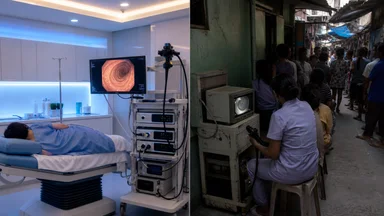
Another condition often lurks alongside diabetes: non-alcoholic fatty liver disease, or NAFLD. This accumulation of fat in the liver is strongly associated with obesity and insulin resistance. A 2022 study conducted at Cipto Mangunkusumo Hospital in Jakarta found that a significant proportion of type 2 diabetes patients also had NAFLD, yet it was rarely diagnosed because routine liver imaging is not part of standard diabetes care. The dual burden complicates treatment and increases the risk of cardiovascular disease and liver failure.
The urban environment compounds the problem. Jakarta's notorious traffic means many workers spend hours in vehicles or on trains, leaving little time for exercise. The heat and pollution discourage outdoor activity. Stress, from long commutes and job pressures, raises cortisol levels, which can worsen blood sugar control. All of these factors create a feedback loop: the city makes it hard to stay healthy, and the health system is ill-equipped to catch up.
What the Trials Say About Metformin
Metformin has been a mainstay of diabetes treatment for decades. The landmark UK Prospective Diabetes Study, or UKPDS, which followed thousands of patients with newly diagnosed type 2 diabetes, showed that metformin reduced the risk of diabetes-related complications compared to diet alone. Specifically, it was associated with a lower rate of heart attacks, with some analyses suggesting a reduction of around 33 percent in overweight patients. The drug works primarily by decreasing the liver's production of glucose and improving insulin sensitivity.
Its safety profile is well established. Unlike some other diabetes drugs, metformin rarely causes dangerously low blood sugar when used alone. The most common side effects are gastrointestinal, which usually subside with time. The World Health Organization lists metformin on its Model List of Essential Medicines, recognizing it as a fundamental treatment for type 2 diabetes. The cost is minimal: a month's supply can be produced for less than a dollar.
Yet the supply chain is fragile. Most of the active ingredient is manufactured in a few countries, primarily China and India. When those producers face disruptions, whether from shipping delays, regulatory actions, or raw material shortages, the effects ripple globally. Indonesia, which imports a substantial portion of its pharmaceutical ingredients, is particularly vulnerable. The COVID-19 pandemic exposed this fragility, and the lessons seem not to have been fully absorbed.
Generic competition usually keeps prices low and supply steady, but in a country with complex procurement rules and limited local manufacturing, that steadiness is not guaranteed. When a stockout occurs, there is no surge capacity. The result is that a cheap, effective, essential medicine becomes temporarily unavailable to the people who need it most.
When the First-Line Drug Disappears
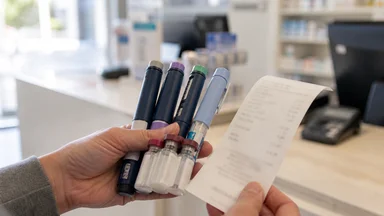
When metformin is unavailable, clinicians face difficult choices. They may prescribe a second-line drug, such as a sulfonylurea or an SGLT2 inhibitor, but these are often more expensive and may not be in stock either. In public clinics, the formulary is limited, and alternatives may require special approval. Some doctors resort to prescribing off-label, using drugs that are not ideal for the patient's specific profile.
Patients, for their part, often take matters into their own hands. Some ration their remaining metformin, taking it every other day instead of daily, in an attempt to stretch the supply. This is dangerous; blood sugar control deteriorates, and the risk of complications rises. Others skip doses entirely, hoping to save money for other necessities. When asked why, they often say they have to choose between food and medicine.
The consequences show up in emergency rooms. Doctors at several Jakarta hospitals report an uptick in admissions for hyperglycemic crises during stockout periods. These are preventable, but only if patients have access to their medication. The cost of a single emergency room visit far exceeds the cost of a month's supply of metformin, a paradox that frustrates clinicians and health economists alike.
There is also a psychological toll. Patients who cannot get their medication feel abandoned by the system. They may lose trust in health care providers and delay seeking help in the future. The chronic nature of diabetes means that these disruptions have long-term effects, even if the immediate crisis passes.
A Patchwork of Informal Solutions
In the absence of reliable supply, informal networks emerge. Community health workers, known as kader, sometimes collect leftover medicines from patients who have switched treatments or recovered, redistributing them to those in need. This is well-intentioned but risky; the drugs may be expired or not stored properly. Some patients buy metformin from street vendors or online marketplaces, where authenticity is uncertain. Counterfeit pills, sometimes containing little or no active ingredient, pose a serious threat.
Mobile clinics, run by non-governmental organizations, have stepped in to fill some gaps. These units travel to low-income neighborhoods, offering diabetes screening and dispensing basic medicines, including metformin when available. They operate on donations and volunteer labor, reaching only a fraction of those in need. Telemedicine services, which grew rapidly during the pandemic, allow patients to consult doctors remotely, but they cannot solve the underlying problem of drug availability.
One patient, a 52-year-old street food vendor named Sari (not her real name), described her experience to a local health worker, who relayed it to this reporter. She had been diagnosed with diabetes three years ago and relied on the puskesmas for her monthly metformin. When the stock ran out, she tried a herbal drink recommended by a neighbor, but her blood sugar soared. Eventually, she found a pharmacy in a nearby mall that had the drug, but it cost three times as much. She now buys it there, cutting back on other expenses.
These workarounds are unsustainable. They shift the burden onto patients, who already face the highest risk. They also hide the true scale of the problem, making it harder for policymakers to justify investments in supply chain resilience. The system is held together by the resourcefulness of patients and the dedication of health workers, but that is not a strategy.
What Would Fix the System
There is no single solution, but several measures could reduce the frequency and severity of metformin stockouts. First, public procurement must improve its forecasting. This means using real-time data on diabetes prevalence and prescription patterns, rather than historical trends that lag behind. It also means building buffer stocks, at both the national and provincial levels, to cushion against unexpected disruptions.
Second, local manufacturing could stabilize supply. Indonesia has some pharmaceutical production capacity, but it is concentrated in a few large companies. Policies that incentivize the production of active pharmaceutical ingredients, perhaps through tax breaks or preferential procurement, could reduce dependence on imports. This is a long-term goal, but it is essential for health security.
Third, a sugar-sweetened beverage tax, if implemented and enforced, could reduce consumption while generating revenue for public health programs. The money could be earmarked for diabetes prevention and treatment, including subsidies for essential medicines. Some studies suggest that a tax of 20 percent or more could significantly lower consumption, especially among price-sensitive groups.
Fourth, cash transfers for low-income patients could help them afford medicines when public supplies fail. Such programs exist for other conditions, and extending them to diabetes would recognize the chronic, expensive nature of the disease. Finally, education on diet and portion control is crucial, but it must be paired with environmental changes that make healthy choices easier. A city with sweet tea stalls on every corner is not a city that is serious about prevention.
None of these measures is easy, and all require political will and sustained investment. But the cost of inaction is already visible in the queues at the puskesmas and the rising rates of diabetes complications. The empty shelf and the tea stall are two sides of the same problem, and they demand a response that treats the disease and its causes together.
This article is based on interviews with health workers, patients, and public health experts in Jakarta, as well as published research. It is for informational purposes only and is not a substitute for professional medical advice. If you or someone you know is managing diabetes, please consult a qualified health care provider.