Obesity Surgery Lists Swell in Delhi Private Wings While Public Ward Scales Stay Untouched
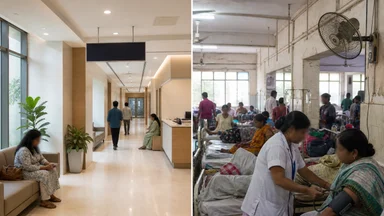
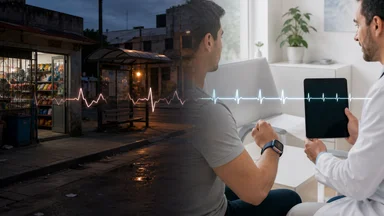
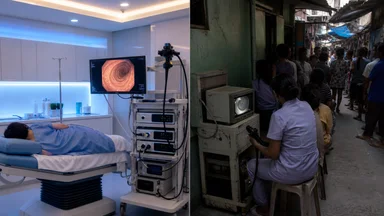
In a private hospital in South Delhi, the waiting list for bariatric surgery has stretched to nearly five months. The hospital's metabolic surgery unit, which opened a decade ago, now schedules more than two dozen procedures a week. Across the city, in a public ward where the beds are often full, the same disease—type-2 diabetes—is treated with metformin and insulin, and the idea of surgery is rarely raised. The contrast is stark: one waiting room is bright, quiet, and carpeted; the other is dense with patients, the air thick with the smell of antiseptic and the hum of an old ceiling fan.
Private wings fill up as bariatric queues lengthen
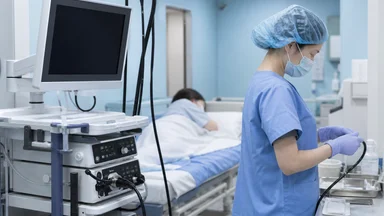
Delhi's private hospitals report a steady climb in demand for obesity surgery. At Max Hospital, Saket, the bariatric surgery waiting list has grown to roughly four months, and the unit now performs around 25 procedures a week, up from about 10 five years ago. Other private centres in Gurugram and Noida report similar trends, with some estimating that the number of bariatric procedures performed in the city has doubled over the past five years. Patients wait anywhere from two to six months for a sleeve gastrectomy or a gastric bypass, depending on the surgeon's schedule and the hospital's capacity. The procedures cost between ₹4 lakh and ₹8 lakh, and most patients pay out of pocket, though some private insurers now cover part of the cost.
Surgeons say the rise reflects a shift in thinking. Metabolic surgery, once seen as a last resort for the severely obese, is now recommended earlier. International guidelines, including those from the American Society for Metabolic and Bariatric Surgery, suggest surgery for people with a body mass index of 32.5 or higher when they also have type-2 diabetes or other obesity-related conditions. In India, where abdominal obesity is common even at lower BMI levels, some surgeons advocate surgery for patients with a BMI of 27.5 if diabetes is poorly controlled.
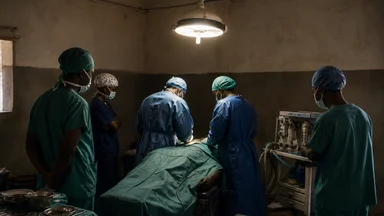
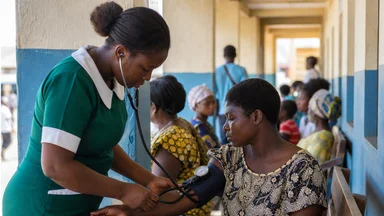
The private sector has responded. New units have opened in Gurugram, Noida, and within Delhi. Marketing is visible: billboards for weight-loss clinics, social media posts from surgeons showing before-and-after photos, and package deals that bundle surgery with a year of follow-up. But the expansion is uneven. Public hospitals, which serve the majority of Delhi's population, have not added bariatric surgery in any meaningful way. Their operating theatres are reserved for emergency and essential procedures, and obesity surgery is rarely on the list. The result is a two-tier system: a patient with means can choose surgery, pay for it, and often see their diabetes improve dramatically, while a patient without means gets the standard public protocol—metformin, insulin if needed, and advice to lose weight. The advice is rarely backed by structured support; dietitians are scarce in public OPDs, and nutrition counselling sessions, when they happen, last a few minutes.
Same disease, two different waiting rooms
Type-2 diabetes is the common thread. It drives both the surgical and the medical care. In private clinics, a patient with a BMI of 35 and an HbA1c of 8.5 might be offered a sleeve gastrectomy as first-line therapy, not as a last resort. The evidence supports this: bariatric surgery leads to significant weight loss and often puts diabetes into remission. A 2022 study in the New England Journal of Medicine found that bariatric surgery reduced major cardiovascular events in obese patients with type-2 diabetes compared to medical therapy alone.
In public hospitals, the same patient would be started on metformin, then a sulfonylurea, then insulin as the disease progresses. The drugs are cheap and effective at lowering blood glucose, but they do not address the underlying obesity. In fact, insulin and sulfonylureas often cause weight gain, creating a cycle that is hard to break. Lifestyle counselling, when offered, is generic: eat less, move more. There is no structured program, no follow-up with a dietitian, no group sessions.
The difference is not just in treatment but in the trajectory. Private patients who undergo surgery often see their HbA1c drop from 9 to 6 within months, and many stop insulin altogether. Public patients see their HbA1c climb slowly despite medication, and their insulin doses increase over time. The disease is the same, but the outcomes diverge.
Out-of-pocket costs shape these choices. A private consultation with a bariatric surgeon costs between ₹1,000 and ₹2,500. A sleeve gastrectomy costs ₹4-6 lakh. Metformin costs a few hundred rupees a month. For a family earning ₹25,000 a month, the surgery is out of reach. For a family earning ₹2 lakh a month, it is a significant but manageable expense. The option of surgery, and the hope of remission, is a luxury.
NAFLD and obesity: the silent liver epidemic
Non-alcoholic fatty liver disease (NAFLD) is rising in Delhi, closely tied to obesity and type-2 diabetes. It is a silent condition: most people have no symptoms until the liver is badly scarred. In private hospitals, a patient with elevated liver enzymes can get an ultrasound and a FibroScan, a transient elastography machine that measures liver stiffness non-invasively. The scan costs around ₹3,000 and is done in minutes.
Public hospitals rarely have FibroScan machines. Ultrasound is available, but it cannot detect early fibrosis. A patient in a public OPD who has abnormal liver function tests may be told to lose weight and come back in six months. There is no systematic screening for NAFLD in public diabetes clinics, even though fatty liver is present in a large proportion of patients with type-2 diabetes.
Weight-loss drugs, such as semaglutide, are available in private pharmacies at a cost of ₹5,000 to ₹10,000 per month. They are effective: clinical trials show average weight loss of 10-15% over a year. But they are not on the public essential medicines list. A public patient cannot get semaglutide at a subsidised rate. The drug is not even mentioned in most public hospital guidelines, which still rely on metformin and lifestyle advice.
The gap is not just about drugs. Private clinics offer structured weight-loss programs with dietitians, psychologists, and exercise physiologists. Public hospitals have none of that. The result is that NAFLD progresses silently in the public population, while private patients get early detection and intervention. The liver is the organ that suffers, but the divide is in the system.
Evidence base supports surgery, but access lags
The evidence for metabolic surgery is strong. A landmark 2016 study in the New England Journal of Medicine showed that bariatric surgery reduced cardiovascular events and improved long-term survival in obese patients with diabetes. More recently, a 2021 study in the Journal of the American Medical Association found that bariatric surgery was associated with lower risks of cardiovascular events and mortality in patients with obesity and type-2 diabetes compared to usual care. These studies, along with a growing body of observational data, support the use of surgery as a cost-effective intervention for selected patients.
In Lebanon, a WHO grant of €10 million is being used to provide medication for chronic diseases like diabetes to over 50,000 people. That model—public funding for chronic disease care—is absent in India's obesity treatment. The public system covers acute care and basic medications, but not the expensive interventions that can change the course of obesity-related disease.
Surgeons argue that metabolic surgery is cost-effective in the long run. A single surgery costs ₹4-6 lakh, but it can eliminate the need for insulin, reduce the risk of heart attack and stroke, and improve quality of life. The lifetime cost of managing diabetes with medication, complications, and hospitalisations can exceed the cost of surgery. But the upfront cost is a barrier, and public hospitals do not have the capacity to perform thousands of bariatric procedures.
There is also a shortage of trained bariatric surgeons in the public sector. Most are concentrated in private hospitals in Delhi, Mumbai, and other metros. Training more surgeons would take years. In the meantime, the private sector continues to expand, and the public sector remains static. The evidence supports surgery, but access lags far behind.
A tale of two patients: Ramesh and Anita
Ramesh, 52, is a schoolteacher in East Delhi. He has had type-2 diabetes for eight years. His HbA1c is 9.2, and he takes metformin, a sulfonylurea, and insulin. He weighs 92 kg, with a BMI of 31. He has fatty liver, diagnosed on ultrasound at a public hospital. His doctor told him to lose weight and exercise, but Ramesh has no time: he teaches six periods a day and takes extra tuition in the evenings to pay for his daughter's college. He cannot afford a dietitian, and the gym is too expensive.
Anita, 45, is a marketing executive in Gurugram. She has had type-2 diabetes for six years. Her BMI was 38, and her HbA1c was 8.8. She had a sleeve gastrectomy at a private hospital, costing ₹5.5 lakh. The surgery took two hours, and she was back at work in three weeks. She lost 30 kg over the next year. Her HbA1c is now 5.9, and she stopped insulin within three months. She sees a dietitian every six weeks and uses a nutrition app on her phone.
Ramesh's insulin dose has doubled in two years. He has developed peripheral neuropathy, and his feet tingle at night. His doctor has mentioned the possibility of kidney damage. He has never been offered surgery. He does not know it exists as a treatment for diabetes. When I asked him if he would consider it, he laughed: "Where would I get that kind of money?"
Anita's trajectory is different. She had the surgery, lost weight, and her diabetes is in remission. She still takes metformin, but at a low dose. Her energy is higher, and she no longer needs afternoon naps. She tells her friends about the surgery, and two of them have had it done. They all have the same disease, but they live in different worlds.
Costs, insurance, and the surgical divide
The cost of bariatric surgery in private hospitals ranges from ₹4 lakh to ₹8 lakh. Some insurers now cover the procedure, but only for patients with a BMI above 35 and at least one comorbidity. Even with insurance, patients may have to pay for pre-operative tests, which can add ₹50,000 to ₹1 lakh. The out-of-pocket cost remains a barrier for most.
Weight-loss drugs like semaglutide cost ₹5,000 to ₹10,000 per month. Metformin costs about ₹100 for a month's supply. The difference is stark. Metformin is effective at lowering blood sugar, but it does not help with weight loss. Semaglutide helps with both, but it is unaffordable for most. Some patients buy semaglutide from online pharmacies, risking counterfeit products, because they cannot afford the branded version.
Patients who cannot afford surgery or drugs often resort to extreme measures. Some go on very low-calorie diets, which are dangerous without medical supervision. Others buy unapproved herbal remedies. The public system offers no structured weight-loss program, so patients are left to fend for themselves. The result is a cycle of weight regain and worsening diabetes.
Insurance is a patchwork. Some employers provide corporate health plans that cover bariatric surgery, but only for senior executives. Others have no coverage at all. The public health insurance scheme, Ayushman Bharat, does not cover bariatric surgery for obesity. It covers some obesity-related complications, like heart surgery, but not the root cause. This is a gap that policymakers have not addressed.
What Delhi's public health system could do now
There are practical steps that could narrow the gap. First, scale up diabetes screening in mohalla clinics. These neighbourhood clinics are the first point of contact for many Delhi residents. They could screen for obesity and diabetes, and refer patients to structured weight-loss programs. This would require training community health workers and providing basic equipment like weighing scales and glucometers.
Second, train general practitioners in obesity management. Many GPs are uncomfortable discussing weight, and they lack the skills to prescribe weight-loss drugs or refer patients for surgery. A short training module could change that. The Indian Medical Association could offer continuing medical education courses on obesity and metabolic disease.
Third, subsidise semaglutide for high-risk patients. The drug is expensive, but it could be added to the essential medicines list for patients with diabetes and obesity who are at high cardiovascular risk. A public-private partnership could negotiate lower prices. The cost would be offset by reduced hospitalisations and complications.
Fourth, create referral pathways to private surgical units. Public hospitals could contract with private bariatric centres to perform surgery for a set fee. This would require negotiation and oversight, but it could increase access without building new public infrastructure. Some states have experimented with such public-private partnerships for cardiac surgery, with mixed results.
Finally, track outcomes. Before investing in any of these measures, the public system should collect data on obesity and diabetes outcomes. This would help justify the investment and identify the most effective interventions. Without data, the debate remains ideological.
This is not about blaming the public system. The challenges are real: limited resources, competing priorities, and a huge burden of disease. But the private sector has shown that obesity surgery works. The public sector could borrow from that experience, adapt it to its context, and start closing the gap. It will not happen overnight, but it can happen.
This article is for informational purposes only and is not intended as personalised medical advice. Always consult a qualified healthcare provider for diagnosis and treatment decisions.